


Greenhouse cultivation is a game changing agricultural venture with proven high yield and returns on crop production. Because of the controlled environment, there is a high potential to generate high income from a variety of profitable crops grown in a greenhouse. Therefore, greenhouse farming in Kenya is a better alternative to open-field farming.
Learn how you can earn high income from highly profitable crops grown in a greenhouse environment. You can use our wooden or metallic greenhouses at affordable costs.
Why are these profitable crops grown in a greenhouse?
Greenhouse crop cultivation is on a trajectory and many people are seeking alternative growing solutions due to evolving weather conditions. Here are the reasons why greenhouses are becoming reliable options.
- Controlled environment: Greenhouse space offers optimal growing conditions and protects crops from pests and diseases, reducing losses.
- Year-round production: Unlike seasonal open-field farming, greenhouses allow you to cultivate crops continuously, ensuring a steady income flow.
- Higher yields and quality: Optimised conditions lead to healthier plants, faster growth and significantly higher yields per unit area. This also translates to better quality produce that fetches premium prices.
- Efficient resource use: Drip irrigation and other controlled systems minimise water wastage and optimise fertilizer application, making it sustainable and cost-effective in the long run.
- Market advantage: Greenhouse produce often has a longer shelf life and a more appealing appearance, giving you a competitive edge in both local and export markets.
Highly profitable crops grown in a greenhouse
1. Tomatoes
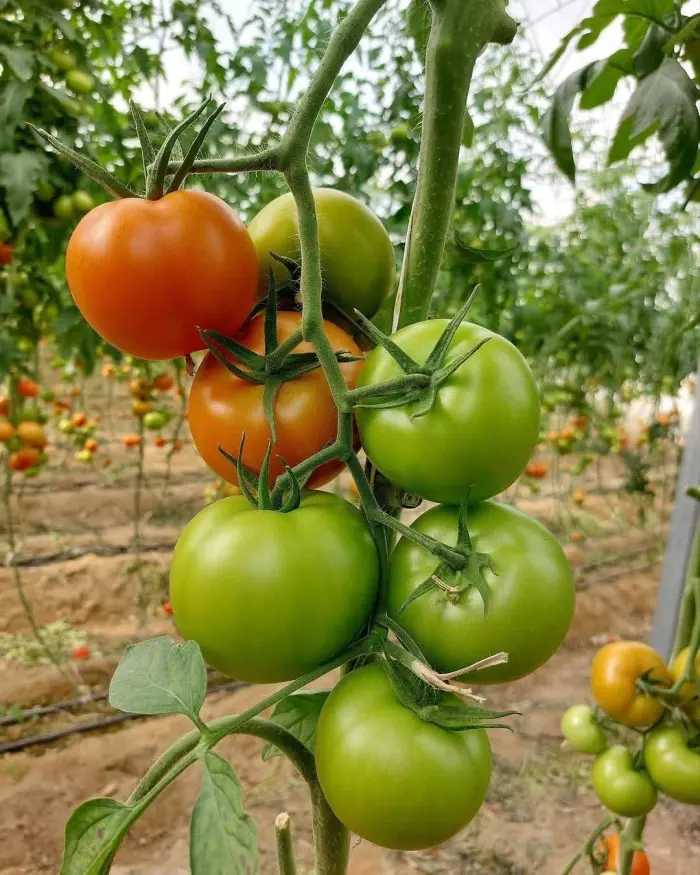
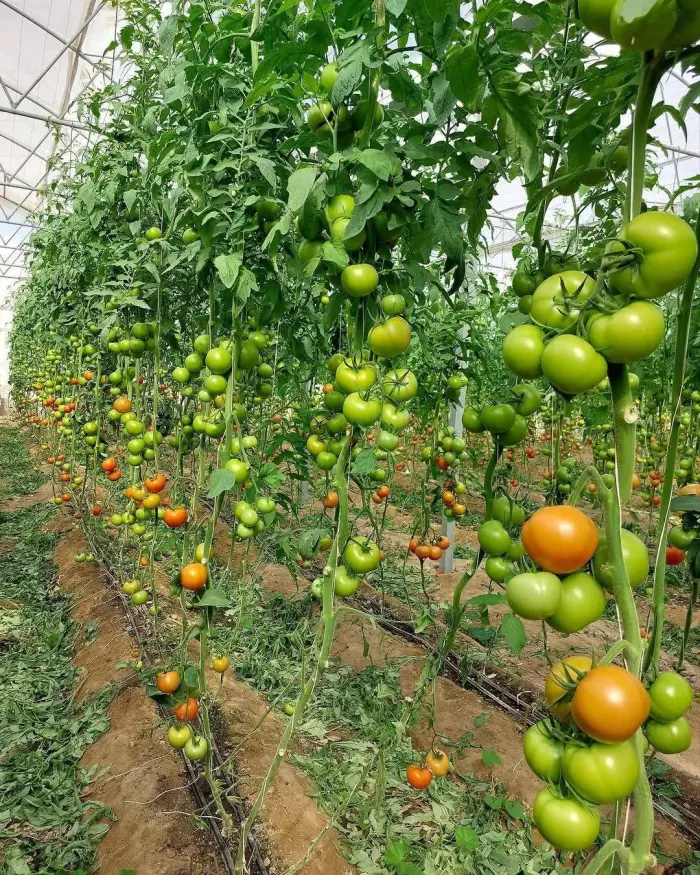
Tomato varieties such as indeterminate tomatoes are among the most profitable crops grown in a greenhouse. Because they are used in preparing so many meals, demand is high in homes, hotels and industries.
- Why they thrive in greenhouses: Tomatoes, especially indeterminate hybrid varieties like Anna F1, Tylka F1 and Rambo 1, require precise control over temperature and humidity to ward off diseases like blight and mildew. Greenhouses provide this ideal environment.
- Profit potential: A well-managed greenhouse can yield up to 15 kg (or even 30–50 kg for some varieties) per plant per season. With an average selling price of KES 50–80 per kg, the returns are substantial. A 240 sqm greenhouse with 500 plants can generate a gross profit upwards of KES 300,000 in a 15-week season.
- Quick turnaround: Tomatoes mature in about 75–90 days, allowing for multiple harvest cycles annually.

2. Capsicum
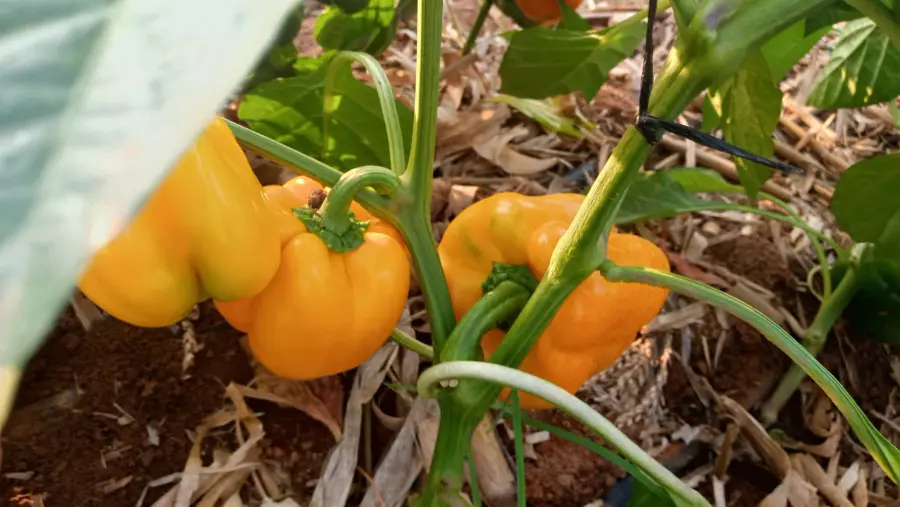
Capsicum, also known as bell pepper, is another star performer in the Kenyan greenhouse scene. Its vibrant colours and use as a spice and fresh vegetable ensure high market demand.
- Why they thrive in greenhouses: Capsicum prefers controlled temperatures (20–30°C daytime, 15–20°C night time) and a soil pH of 6.0–7.0, conditions easily maintained in a greenhouse. This protection also makes them less prone to diseases.
- Profit potential: Capsicum can yield 10–15 kg per plant in a season, and with good market prices it is a highly profitable venture.
- Longer shelf life: Greenhouse-grown capsicum tends to have a longer shelf life, which is a big plus for market access.
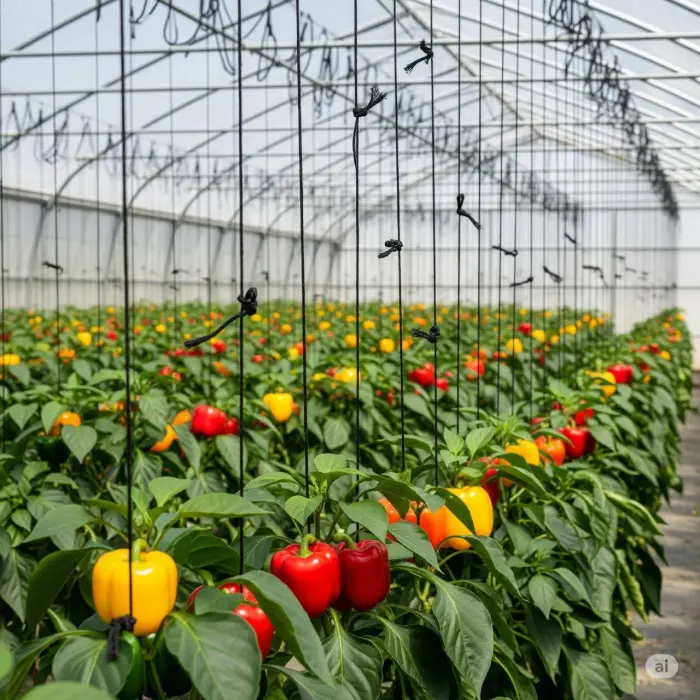

Production potential (8m × 30m)
Yield per plant: about 2–4 kg over an economic harvesting life of 6–9 months.
Total estimated yield: 1,200–3,000 kg per season from the 240 m² structure.
Maturity: first harvest about 75–90 days after transplanting for yellow and coloured varieties.
Profitability
Yellow and red capsicum fetch KES 150–250 per kg (up to KES 300+ in supermarkets, restaurants and high-end urban markets).
Conservative: 1,500 kg × KES 180 = KES 270,000
Higher yield: 2,500 kg × KES 200 = KES 500,000+ per cycle
3. Culinary herbs for export
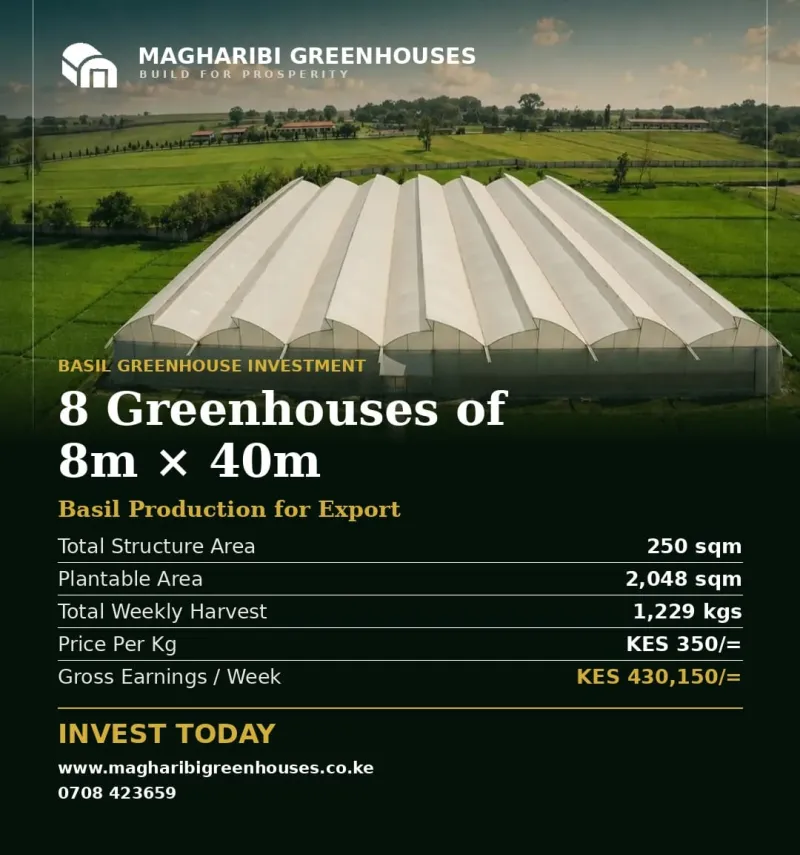
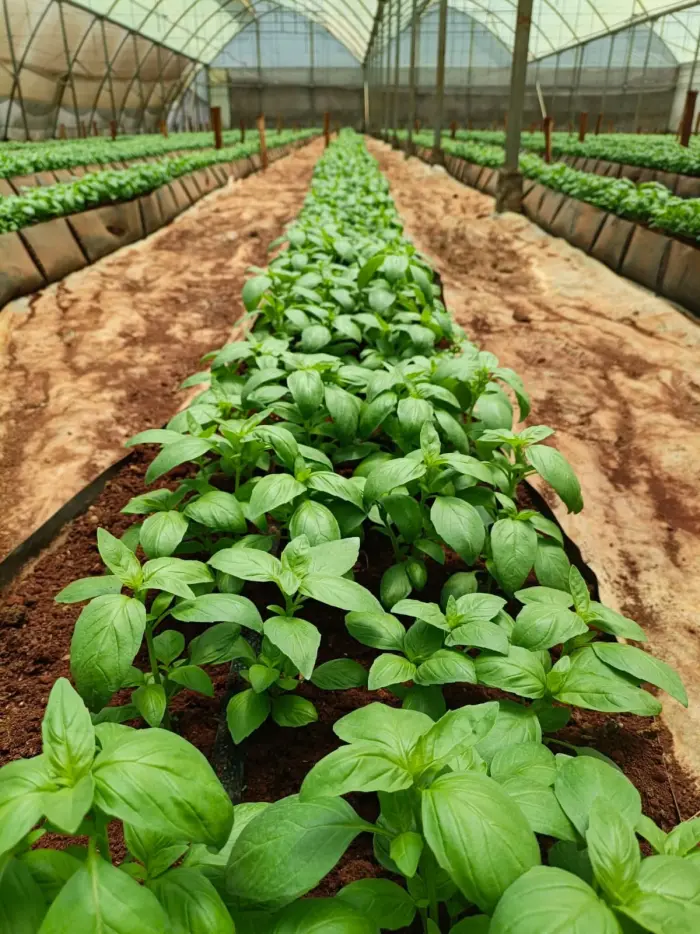
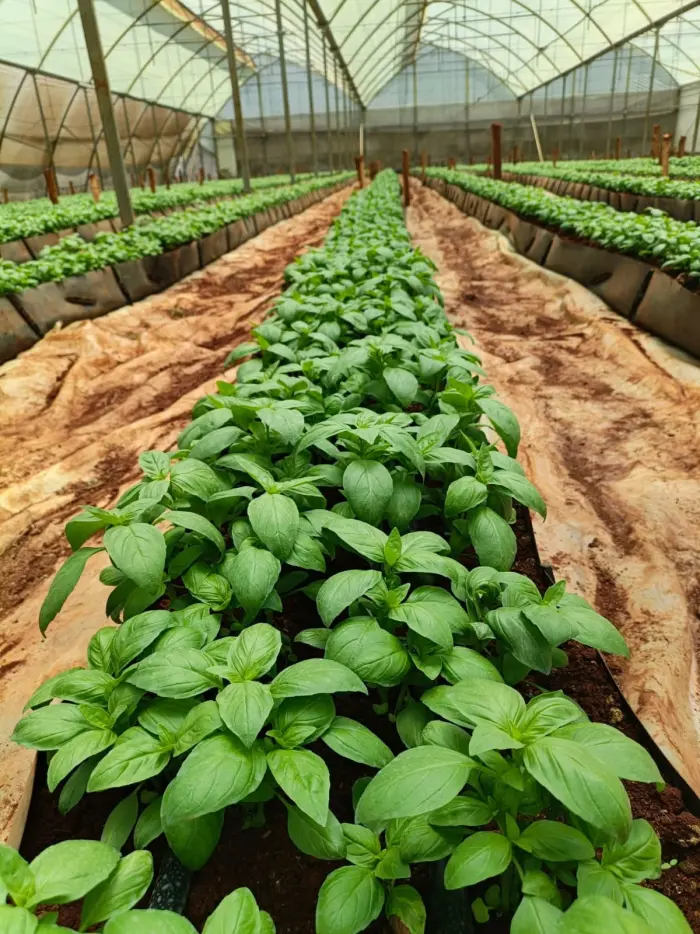
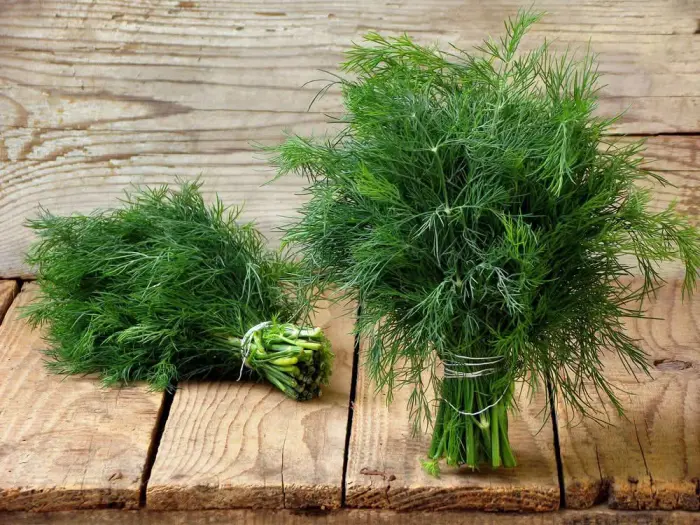
Kenya's horticultural exports are growing rapidly, driven by increasing global demand for high-quality, sustainably grown herbs. Magharibi is at the forefront of this transformation, providing reliable greenhouses fit for herb production to empower Kenyan farmers to grow and export high-value crops to European markets. Our "Herbs for Export" initiative is designed to equip farmers with the infrastructure and knowledge needed to succeed in this lucrative sector.
Herbs profitability: www.farmforexport.com
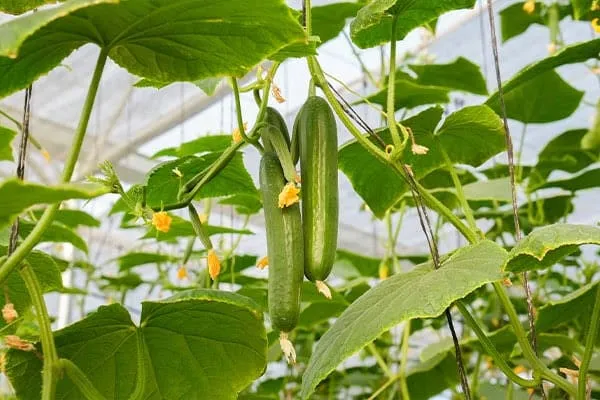
4. Cucumbers
Cucumbers are a fantastic choice for their rapid growth and continuous harvesting cycle, making them a consistent income generator.
- Why they thrive in greenhouses: Cucumbers grow very well vertically, maximising space within the greenhouse. They are also fast-growing, reaching maturity in 45–60 days.
- Profit potential: High yield potential of up to 15–20 kg per plant per season, coupled with steady demand from hotels, restaurants and supermarkets, makes cucumbers a lucrative option.
- Low maintenance: In a controlled greenhouse environment, cucumbers require relatively minimal maintenance.

Financial breakdown (per 8m × 30m season)
Gross revenue: KES 450,000–600,000 per season, selling fruits at KES 45–60 each (or per kg in local markets and Nairobi supermarkets).
Operating costs: KES 100,000 per season (seeds, fertilizers, crop protection and routine labour). Initial setup of the greenhouse structure and drip lines ranges from KES 70,000 to 100,000 if not already built.
Net profit: KES 350,000–500,000 per season. Across several cycles a year, a well-managed 8m × 30m unit can return over KES 1 million.